 listicle
Paver Sealing Benefits for Homeowners: Protection That Lasts
Table of Contents
- Why Paver Sealing Matters for Your Property
- Stain Protection and Oil Resistance
- Color Enhancement and UV Protection from Sun Exposure
- Weather Resistance and Moisture Protection
- Reduced Weed Growth and Biological Prevention
- Pros and Cons of Sealing Pavers
- How Often to Seal Pavers and When to Seal New Pavers
- Paver Sealing Cost and Return on Investment
- Frequently Asked Questions
Last Updated: October 11, 2026
Why Paver Sealing Matters for Your Property
Paver sealing benefits for homeowners extend far beyond aesthetics. When you seal your pavers, you're investing in protection that keeps your outdoor spaces looking new while dramatically extending the lifespan of your investment. When pavers are sealed, they maintain their appearance and structural integrity for years longer than unsealed surfaces.
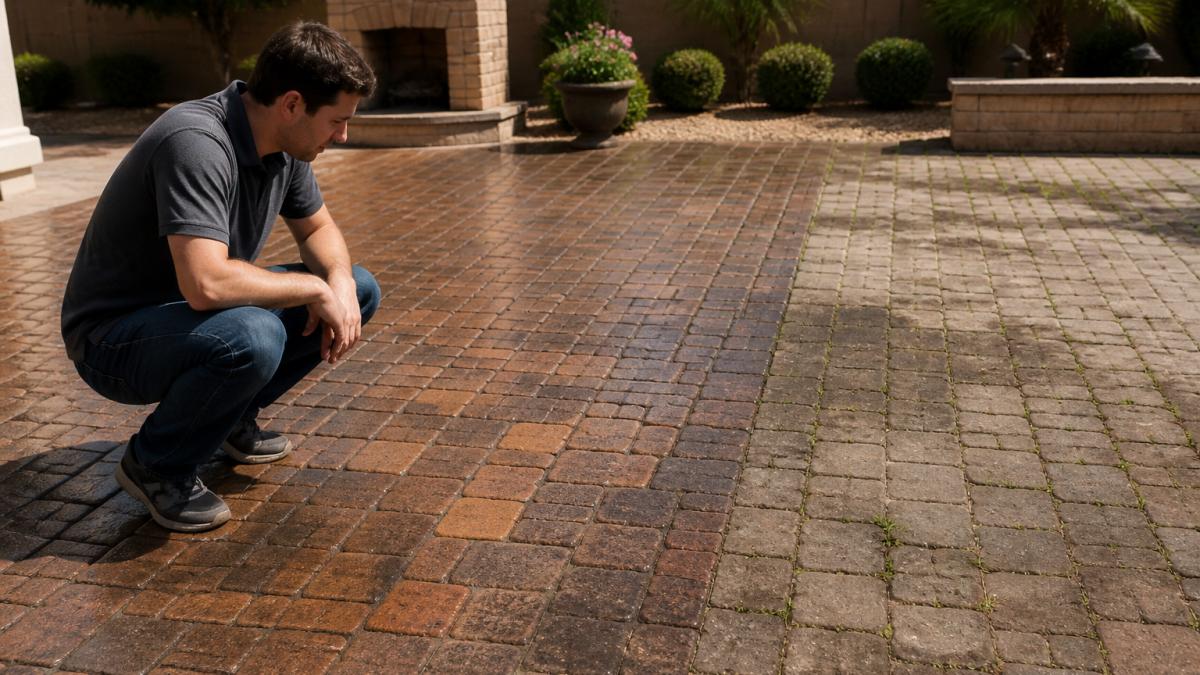
Unsealed pavers are vulnerable. They absorb moisture, trap dirt, and deteriorate quickly under weather exposure. Sealed pavers, by contrast, resist these threats. The difference between a maintained and neglected paver surface becomes obvious within the first year.
Stain Protection and Oil Resistance
Paver sealing benefits include powerful stain resistance that protects against everyday hazards. Oils, grease, food spills, tree sap, and dirt won't penetrate sealed surfaces the way they do unsealed ones. Instead of soaking in, contaminants sit on top where you can wipe them away.
This protection matters most in high-traffic areas: driveways, kitchen patios, and entertaining spaces. A single oil spill on unsealed pavers can leave a permanent dark mark. On sealed pavers, the same spill wipes clean in seconds. Your pavers stay looking fresh, not stained and aged.
Common stains that seal prevents include rust from metal furniture, food and beverage spills, automotive fluids, and organic debris. Without sealer, these marks become part of your paver's permanent appearance.
Color Enhancement and UV Protection from Sun Exposure
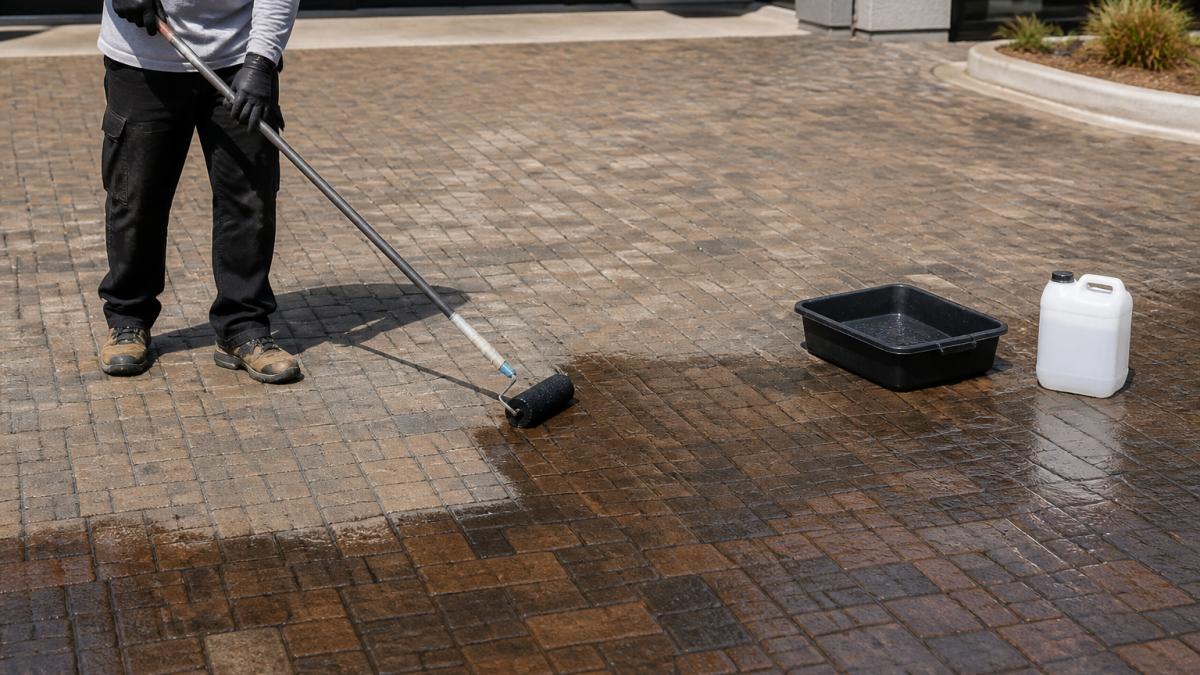
Paver sealing benefits include color enhancement that makes your pavers look richer, deeper, and more vibrant. A quality sealer brings out the natural color and texture of the stone, giving sealed pavers a polished, intentional appearance compared to their dull, weathered unsealed counterparts.
Sun exposure fades unsealed pavers over time. UV rays bleach the color, making vibrant reds, browns, and blacks look washed out and tired. Sealed pavers resist this fading. The sealer acts as a protective barrier against UV damage, keeping colors consistent year after year.
This is especially noticeable on darker pavers or those with rich earth tones. After three to five years, unsealed pavers in sunny areas often look noticeably lighter than sealed ones installed at the same time.
Weather Resistance and Moisture Protection
Paver sealing benefits extend to weather durability. Sealed pavers resist moisture infiltration, which prevents freeze-thaw damage in colder climates and reduces mold and algae growth in humid areas. Water sits on top of sealed pavers instead of soaking in, protecting the substrate and extending the lifespan of your entire installation.
Moisture is the enemy of pavers. When water seeps into unsealed pavers and the surrounding base, it causes several problems: the base shifts and settles, pavers crack, and weeds push through. Sealed pavers keep water out, maintaining structural stability and preventing the expensive repairs that come with water damage.
Weather resistance also means your pavers stay safer. Sealed surfaces resist slipperiness better than some unsealed options, providing more reliable traction in wet conditions.
Reduced Weed Growth and Biological Prevention
Paver sealing benefits include suppression of weeds, moss, grass, and other biological growth in the joints. Sealed pavers prevent moisture from accumulating where weeds and algae thrive. Without that moisture, seeds can't germinate and spores can't establish.
Mold, mildew, and algae love damp, shaded paver joints. Unsealed pavers create the perfect environment for these growths, especially in areas that don't get direct sun. Sealed pavers dry faster and resist the conditions that allow biological growth to take hold.
This benefit saves time on maintenance. You won't spend your weekends pulling weeds from between pavers or scrubbing away mold. Your outdoor space stays cleaner and more inviting with less effort.
Pros and Cons of Sealing Pavers
Pros of paver sealing benefits:
- Stain and oil resistance that keeps pavers looking new
- Enhanced color and brightness that makes pavers more visually appealing
- UV protection that prevents sun fading
- Moisture resistance that extends paver lifespan
- Reduced weed and algae growth in joints
- Easier cleaning and maintenance
- Better protection for your investment
Cons to consider, and how to avoid them:
Whitening and hazing. Some sealers, especially water-based penetrating products, can leave a white or cloudy film on the surface if applied too heavily or in humid conditions. This is most common on darker pavers like charcoal or black concrete.
Trapped moisture and substrate damage. Film-forming sealers (those that sit on top of the paver) can trap moisture underneath if the base was not properly dried before application or if joints were not cleaned of residual sand. This leads to efflorescence (white salt deposits), mold growth under the sealer, or even paver deterioration.
Uneven sheen or color darkening. Sealers darken pavers slightly, some more than others. If applied unevenly, the darkening becomes patchy. Solvent-based sealers typically darken more than water-based ones. Prevention: Test the sealer on a small, inconspicuous area first; apply in thin, even coats; and choose a sealer type (penetrating vs. film-forming) matched to your desired finish.
Peeling and flaking. Poor surface preparation or incompatible sealer-to-paver combinations cause premature peeling. Concrete pavers sealed with a product designed for natural stone, or vice versa, often fail within one season. Prevention: Confirm the sealer is rated for your specific paver material (concrete, clay, natural stone, or permeable); clean and etch the surface if recommended by the manufacturer.
Resealing frequency and cost. Most sealed pavers need resealing every 2-3 years, which means ongoing labor and material costs. High-traffic driveways may need attention every 18-24 months. Prevention: Budget for maintenance upfront; choose a high-quality sealer that lasts longer; and prioritize sealing only high-traffic or high-visibility areas if budget is tight.
Slipperiness when wet. Some sealers create a slick surface, especially film-forming types on smooth pavers. This is a safety concern on stairs, ramps, or pool surrounds. Prevention: Use a sealer with a slip-resistant additive, or choose a penetrating sealer that does not alter surface texture.
The key to avoiding these drawbacks is matching the sealer to your paver type, preparing the surface correctly, and applying the product in the right conditions. Professional installation significantly reduces the risk of these problems.
How Often to Seal Pavers and When to Seal New Pavers
Paver sealing benefits depend on maintaining the sealer over time. The frequency of resealing varies based on traffic, climate, and the type of sealer used.
Resealing Frequency for Existing Pavers
Most sealed pavers need resealing every 2-3 years. High-traffic areas like driveways may need resealing every 18-24 months. Low-traffic decorative patios might stretch to 3-4 years between applications.
Signs that your pavers need resealing include water no longer beading on the surface, visible stains appearing, and loss of color vibrancy. When water stops beading and instead soaks in, the sealer has worn through.
We recommend a professional inspection every 2 years to assess sealer condition and schedule resealing before protection is completely lost.
Timing for New Paver Installation
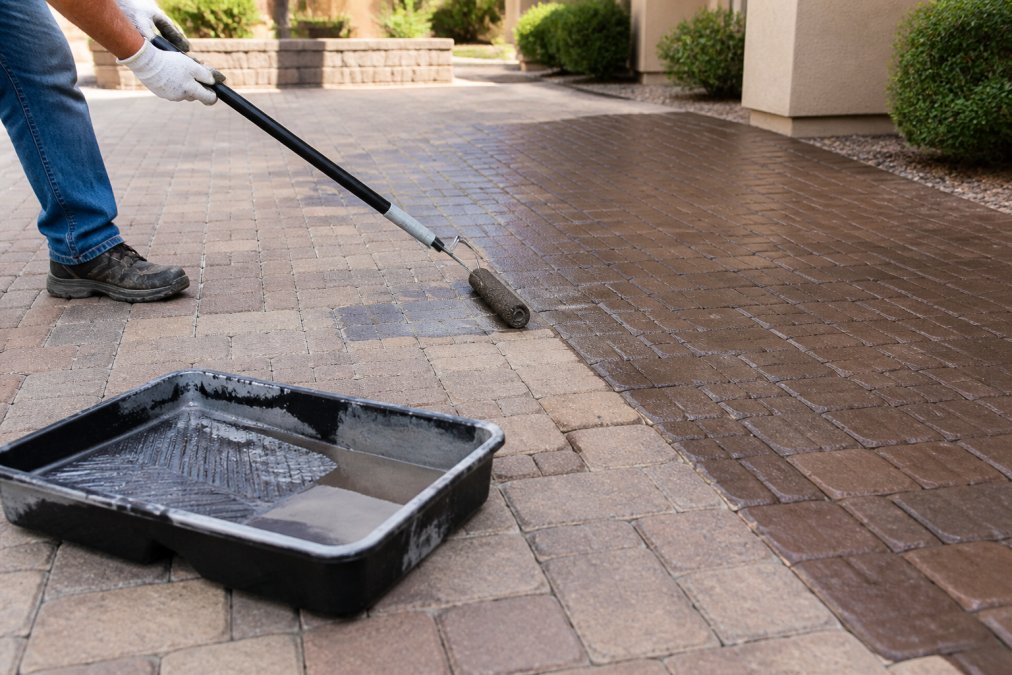
Seal new pavers as soon as the installation is complete and the pavers have cured properly. Most installers recommend waiting 48-72 hours after installation before sealing to allow the base to settle and any dust to clear. Sealing new pavers immediately prevents stains from setting in during the first season and locks in the fresh color.
New pavers sealed early maintain their appearance far better than those left unsealed for a season or two. Early sealing is an investment that pays dividends for years.
Paver Sealing Cost and Return on Investment
Paver sealing requires an upfront investment, but understanding the true cost and realistic return helps homeowners decide whether it makes financial sense for their situation.
Typical sealing costs:
Professional sealing costs vary depending on paver type, sealer quality, surface condition, and the size of the area. Resealing every 2-3 years typically costs less than the initial application since the surface requires less prep work.
DIY sealing is cheaper upfront, but risks include uneven application, trapped moisture, and premature failure, potentially costing more to fix than professional work would have cost initially.
Maintenance cost savings:
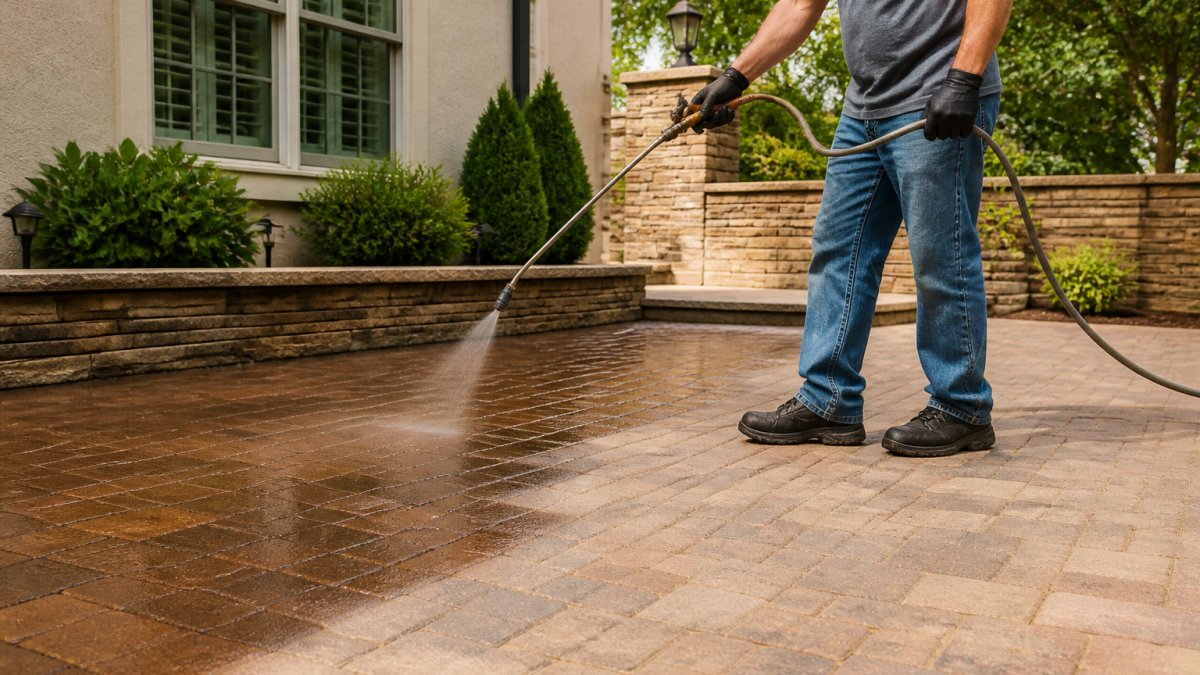
Sealed pavers reduce cleaning labor and chemical use. Unsealed pavers in high-traffic areas often require power washing 1-2 times per year and hand-weeding or herbicide application. Sealed pavers typically need cleaning only once per year and rarely require weeding. Over time, this difference can save labor and reduce costs for cleaning supplies and weed control.
Lifespan and replacement costs:
Unsealed concrete pavers typically show significant deterioration (cracking, settling, staining, weed overgrowth) within a few years and may require partial or full replacement. Sealed pavers, with periodic resealing, often remain structurally sound and visually acceptable for longer. Extending the lifespan through sealing represents substantial savings compared to replacement costs.
Resale value and curb appeal:
While sealed pavers do enhance curb appeal and suggest a well-maintained property, the resale value uplift is modest and context-dependent. A sealed patio or driveway may add perceived value to a home, but most appraisers do not assign a specific dollar value to paver sealing alone. The benefit is indirect: a maintained outdoor space supports overall property appeal, which can influence buyer perception.
Realistic ROI calculation:
For a homeowner planning to stay in the home long-term, sealing typically pays for itself through extended lifespan and reduced maintenance.
For homeowners selling within 5 years or those with low-traffic decorative pavers, the financial case is weaker. Sealing costs money upfront, and the lifespan extension may not be realized before the property changes hands.
When sealing makes the strongest financial sense:
- High-traffic driveways or entertaining patios where staining and wear are visible
- Climates with freeze-thaw cycles or high humidity (moisture damage is costly)
- Darker or premium pavers where color fading is noticeable and disappointing
- Homeowners planning to stay 10+ years and value reduced maintenance
When sealing may not be cost-effective:
- Low-traffic decorative patios in dry climates
- Budget constraints and no plan to stay long-term
- Permeable pavers in areas where drainage is critical (sealing can reduce permeability)
The return on investment is real but modest and depends on your climate, traffic patterns, and how long you own the home. Sealing is best viewed as a maintenance and protection strategy rather than a wealth-building investment.
Frequently Asked Questions
Why should you seal your pavers?
Paver sealing protects against stains from oil, grease, and food spills while preventing UV fading and weather damage. It reduces weed growth in joints, inhibits mold and mildew, and enhances the natural color and brightness of concrete pavers. Sealed pavers also require less frequent cleaning and last longer, making sealing a worthwhile investment for driveway pavers, patio pavers, and other outdoor spaces.
When should pavers be sealed after installation?
New pavers should be sealed after the joint sand has fully settled and cured, typically 30 to 60 days after installation. This allows the paver surface to dry completely and ensures the sealant bonds properly. Sealing new pavers immediately protects them from the start and prevents early staining before the material has weathered.
How long does paver sealer last?
Most paver sealers last 2 to 3 years under normal weather conditions, though this varies based on foot traffic, UV exposure, and sealer type. High-traffic driveways may need resealing every 2 years, while low-traffic patios can go 3 to 4 years. Professional resealing maintains stain resistance and color enhancement over time.
Does sealing pavers prevent weeds?
Sealing pavers significantly reduces weed growth by creating a barrier that prevents weed seeds from taking root in the joint sand. While sealing won't eliminate weeds entirely, it makes them much less likely to establish in the joints between concrete pavers, reducing maintenance and keeping your outdoor spaces cleaner year-round.
Protecting your pavers from stains, fading, and weather damage requires the right approach. Paver sealing benefits are proven and substantial, but only when done correctly with professional-grade materials and technique. Task Genie delivers expert paver sealing with premium products and reliable scheduling, backed by our 100% satisfaction guarantee. Get a free quote today and discover how professional sealing can extend your pavers' lifespan while keeping them looking vibrant and new.