 how-to
7 Steps to Schedule Home Maintenance While Working
Quick Summary
To schedule home maintenance while working, build one master checklist, sort tasks by urgency and season, and set weekly, monthly and yearly time blocks on your calendar. Batch noisy jobs into meeting-free gaps and delegate tasks that need ladders or special equipment.
- Start with one master checklist that tracks each recurring task, its frequency and its next due date.
- Use a weekly 10 to 15 minute check, a monthly 30 to 45 minute pass and a yearly inspection block.
- Schedule noisy tasks in meeting-free blocks and protect your call quality.
- Delegate window cleaning, gutter work, roof checks and paver sealing to professionals.
- Track repairs in one place and keep a separate emergency fund for surprise failures.
Table of Contents
- Why Home Maintenance Gets Pushed Aside When You Work
- Step 1: Build a Home Maintenance Checklist Template
- Step 2: Sort Tasks by Month, Season and Urgency
- Step 3: Set a Weekly, Monthly and Yearly Rhythm
- Step 4: Batch Tasks Around Meetings and Work Hours
- Step 5: Decide What to Delegate to a Home Maintenance Services List
- Step 6: Budget for Repairs and Track Them in One Place
- Start Your Schedule This Week and Request a Free Quote from Task Genie
- Frequently Asked Questions
Why Home Maintenance Gets Pushed Aside When You Work
Last Updated: November 4, 2026
Most American homeowners plan to spend real money on their homes. The Home Improvement Research Institute (HIRI) reports that homeowners planning some home improvement activity in 2026 expected to spend about $7,117 on projects (5 Homeowner and DIY Project Activity Trends for 2026). Yet routine home maintenance often slips off the list when a full workday already fills the calendar.
Maintenance is easy to ignore. A dripping faucet or a clogged gutter rarely feels urgent until it causes damage. Here is why it gets pushed aside:
- Work comes first. Calls, deadlines and meetings take priority over tasks that can wait a week.
- Tasks are invisible. Nothing reminds you that the HVAC filter is due.
- Service windows are tight. Contractors often need you home during business hours.
- Small problems feel minor. Homeowners tend to wait on repairs they think they can handle later.
A ConsumerAffairs survey of 1,000 homeowners found that 92% had outstanding repairs on their to-do list (Holding Off on Home Repairs: Survey of 1000 Homeowners). The fix is not more willpower. It is a system that puts maintenance on a schedule, the same way you schedule meetings.
This guide walks through seven steps to build a home maintenance schedule that fits a working week. Start with the checklist below and build from there.
Step 1: Build a Home Maintenance Checklist Template
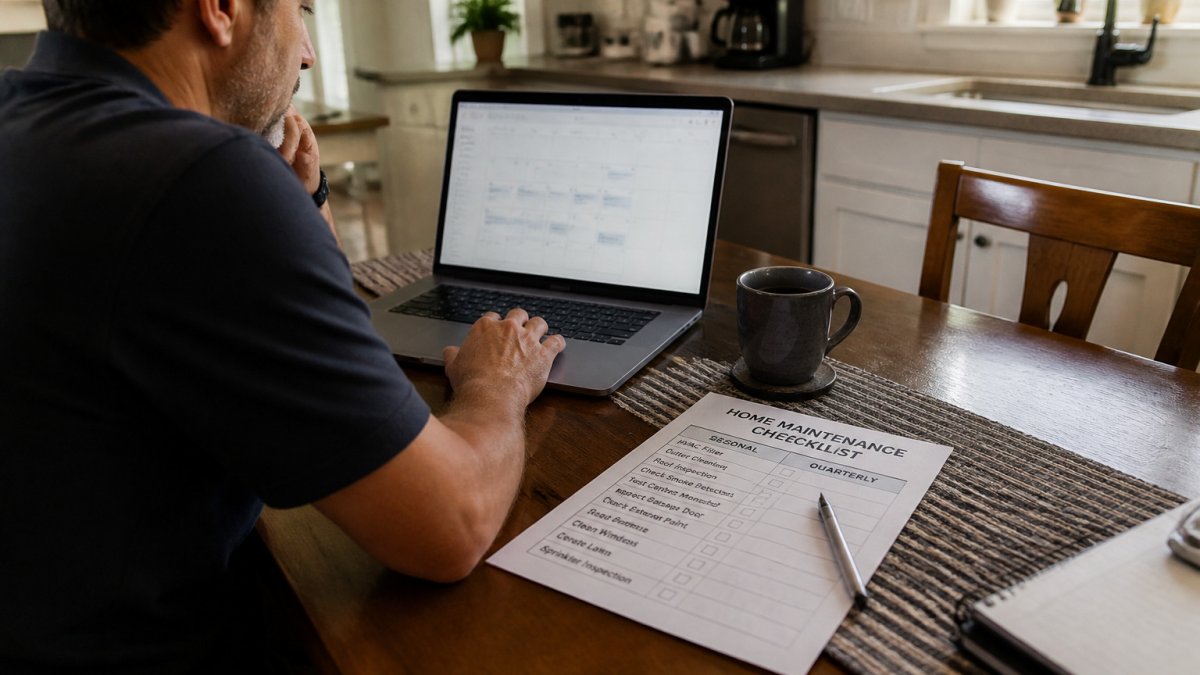
Start with one master list. A simple home maintenance checklist template gives you a single place to track every recurring task, with columns for the task, frequency, last completed date and next due date.
Include the core items most homes need:
- HVAC filter replacement (typically every 1 to 3 months)
- Smoke and carbon monoxide detector testing
- Gutter cleaning
- Water heater flushing
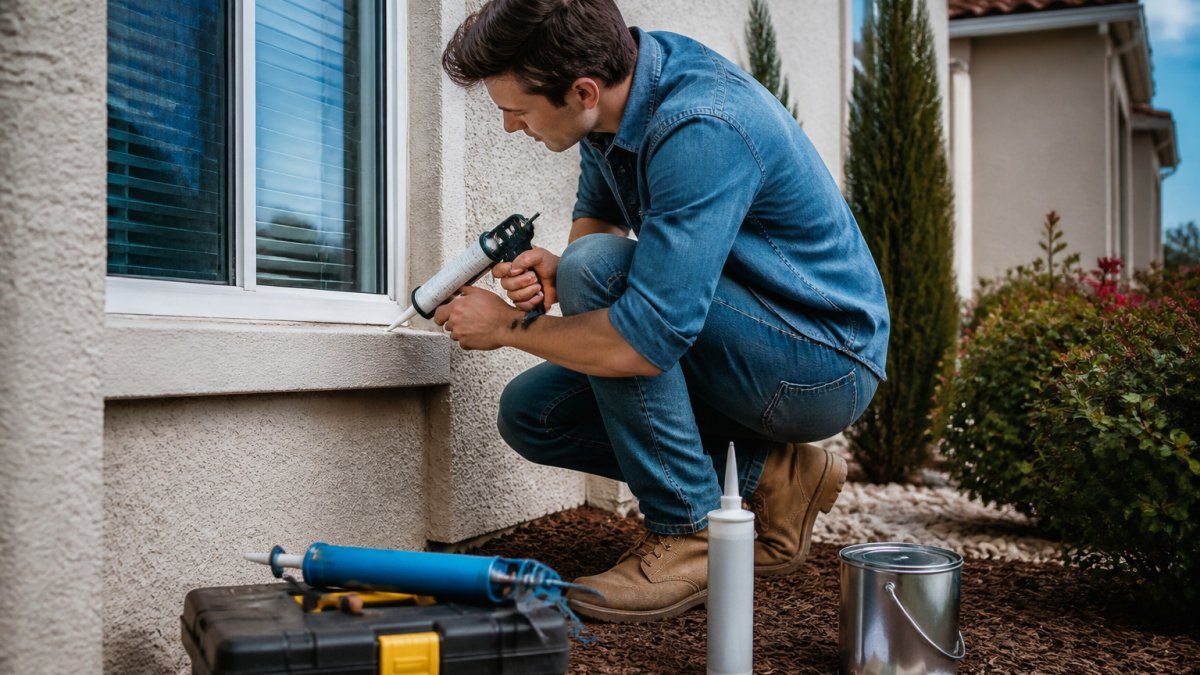
- Exterior caulking and weatherstripping checks
- Dryer vent cleaning
Keep the list in a spreadsheet, a notes app or a calendar tool. The format matters less than the habit of checking it. Review the list once a quarter and add anything you have missed.
Step 2: Sort Tasks by Month, Season and Urgency
Next, sort your master list into a home maintenance checklist by month. This turns a long list into small, manageable batches. Some tasks belong to specific seasons, such as clearing gutters in fall or checking the air conditioner before summer.
Sort each task by urgency:
- Urgent: Safety items like smoke detector tests and gas or CO checks.
- Important: Tasks that prevent costly damage, such as roof inspections and drainage fixes.
- Routine: Cosmetic or convenience items, like cleaning window screens.
Urgent tasks go first on your calendar. Routine tasks can fill open slots.
Step 3: Set a Weekly, Monthly and Yearly Rhythm
A weekly, monthly and yearly home maintenance checklist keeps tasks on a predictable beat:
- Weekly (10 to 15 minutes): Check for leaks, test a few smoke detectors, and look at outdoor drains.
- Monthly (30 to 45 minutes): Replace or check HVAC filters, clean the dryer lint trap and inspect under sinks.
- Yearly (a few hours, spread out): Schedule professional inspections, flush the water heater and service the furnace before winter.
Put these blocks on your calendar as recurring events. A fixed slot is easier to protect than a vague intention to "do some maintenance this week."
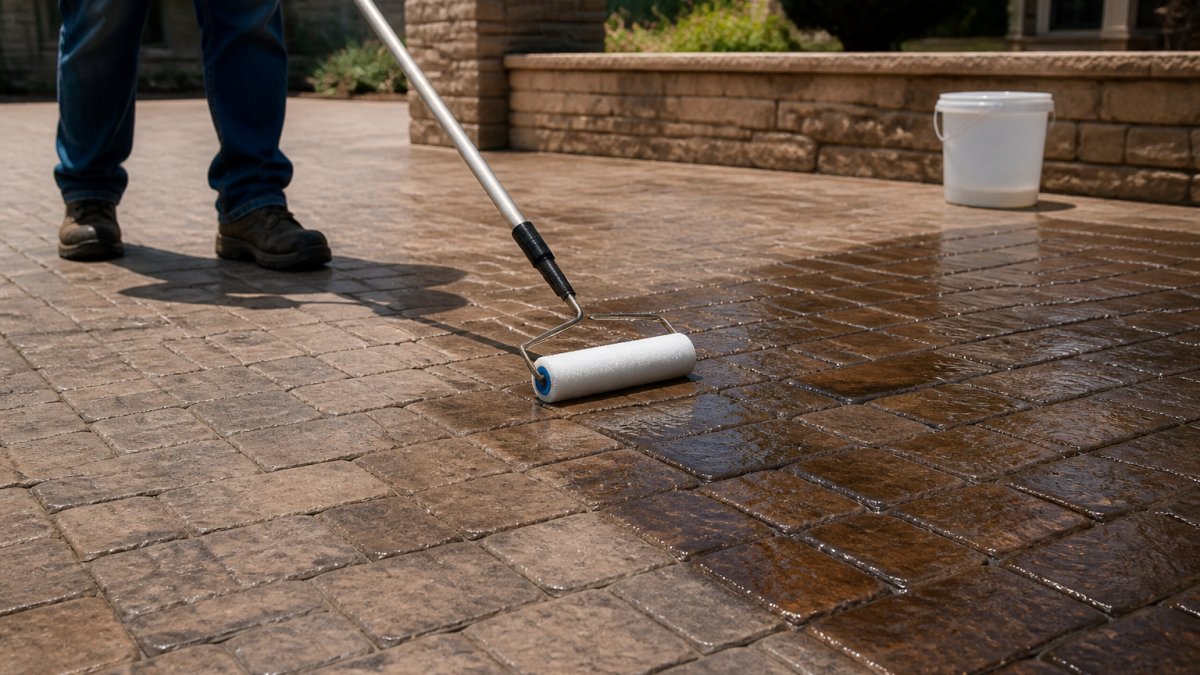
Outdoor surfaces need their own timing. For example, outdoor pavers should be sealed on a set schedule to protect against stains and wear, and you can plan that as a yearly line item. Find out how often outdoor pavers need sealing so you can set that interval.
Step 4: Batch Tasks Around Meetings and Work Hours
Work calendars rarely leave gaps, so batching is the key. Group similar tasks into one block instead of scattering them across the week. The goal is to treat maintenance like any other recurring commitment: it gets a named slot, a defined scope and a fallback if the day goes sideways.
Start by classifying each task by noise and access needs, because those two factors decide when it can run alongside a workday:
- Silent, interruptible tasks: swapping an HVAC filter, testing smoke detectors, wiping under sinks, checking the water heater pan. These fit into 10-minute gaps between calls and can be paused mid-task.
- Noisy tasks: running a shop vac, drilling, hammering, testing the garage door, power-washing. These collide with calls and deep-work blocks and belong in a lunch hour, before the first meeting or after the last one.
- Tasks that need you present: contractor visits, inspections, deliveries. These require a daytime window and should be booked deliberately, not squeezed in.
A practical weekly pattern many remote workers settle into:
- Monday: scan the week's calendar and flag the two longest meeting-free blocks.
- One weekday lunch hour: noisy task or a 15-minute detector and filter pass.
- One recurring 60-minute block: labeled 'home maintenance' and treated as unmovable as a client call.
- Friday: 10-minute review of what slipped and reschedule it rather than letting it disappear.
For noisy work, protect your call quality. A shop vac or impact driver during a client call is a credibility problem, not just an annoyance.
When a task needs you home, such as a plumber or HVAC visit, book it for a day you already plan to be in the house and ask for the first or last appointment of the day.
Watch out: batching too aggressively backfires. Stacking five tasks into one Saturday creates a multi-hour block that is easy to postpone; two or three short, recurring slots during the workweek get done more reliably than one heroic weekend.
Step 5: Decide What to Delegate to a Home Maintenance Services List
Some tasks are better handed off. Make a second list called a home maintenance services list. It should name the jobs you will never have time for and the professionals who can take them on.
Good candidates for delegation include:
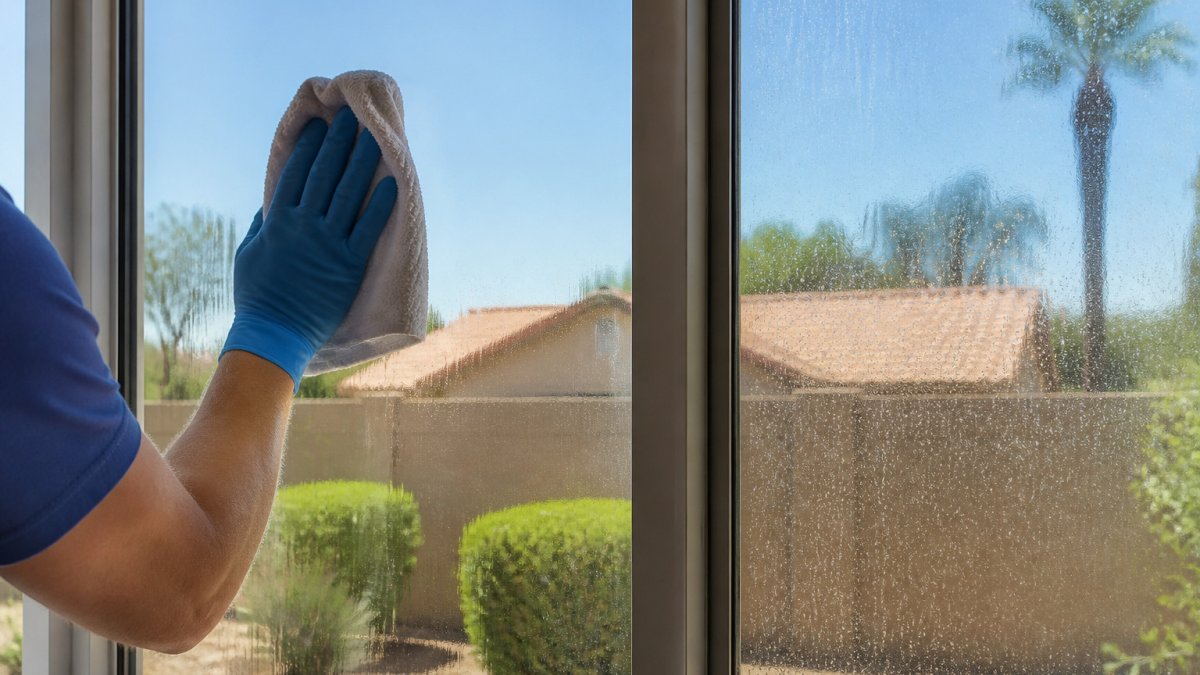
- Window cleaning: Professional crews work faster and reach high panes safely. Check whether the cost fits your budget before deciding. Our window cleaning services cover residential and commercial properties.
- Pool cleaning: Weekly service keeps water balanced. Weigh the professional option against doing it yourself.
- Gutter cleaning and roof checks: These involve ladders and fall risk.
- Paver sealing: Sealing needs proper prep and the right products.
Before you delegate, ask whether the job is worth paying for. Deciding whether professional service is worth the cost depends on your property and budget. Compare two or three quotes and confirm what each one covers.
Ready to hand off tasks? Get a free quote to see what a professional crew would charge for your property.
Step 6: Budget for Repairs and Track Them in One Place
Maintenance prevents expensive repairs, but repairs still happen. The Pro House Maintenance guide reports that U.S. homeowners spent an average of $2,041 on maintenance in 2025, up from $1,750 in 2024 (Pro House Maintenance 2026 Guide).
A more reliable approach is to set your number from three inputs:
- Age and condition of the home. A common rule of thumb is to set aside 1% of the home's value per year for maintenance, rising toward 2% or more for homes over 20 years old or with older roofs, HVAC and water heaters.
- Known upcoming replacements. If the water heater is 12 years old or the roof is past 20, add a line item for the expected replacement year and divide by the months remaining.
- Your deductible and risk tolerance. Keep an emergency fund large enough to cover your insurance deductible plus one mid-size repair, so a failed sump pump or a burst supply line does not become a credit-card event.
Split the money into two buckets rather than one:
- Routine upkeep fund: a monthly transfer that covers filters, caulking, gutter cleaning, pest control and small fixes. This is the bucket your recurring calendar tasks draw from.
- Capital and emergency fund: a separate account for system replacements and surprise failures. Do not raid it for routine tasks, or the next HVAC failure lands on a card.
Track every repair in the same spreadsheet from Step 1, with columns for date, task, vendor, cost and warranty length. Over a year or two, the log shows which systems cost the most and where spending should go.
Prioritize spend in this order: safety items first (smoke and CO detectors, gas and electrical checks, dryer vent cleaning), then water intrusion (roof, gutters, grading, supply lines), then efficiency and comfort (HVAC service, insulation, weatherstripping), then cosmetic work.
Watch out: a budget that only covers planned tasks fails at the first emergency. Fund the emergency bucket before the cosmetic one, and revisit the monthly amount once a year as the home ages and as contractor prices move.
The figures below summarise the budgeting benchmarks and priorities this section sets out.
| Item | Value | Note |
|---|---|---|
| Average maintenance spend, 2025 | $2,041 | Up from $1,750 in 2024 (Pro House Maintenance) |
| Average emergency repair spend, 2025 | $1,143 | Reported in the same guide |
| Maintenance set-aside rule of thumb | 1% of home value per year | Rises toward 2% for homes over 20 years old |
| Repair spend priority order | Safety first | Then water intrusion, efficiency and comfort, cosmetic |
| Emergency fund target | Deductible plus one mid-size repair | Kept separate from routine upkeep |
Start Your Schedule This Week and Request a Free Quote from Task Genie
Begin today. Add your top five recurring tasks to a calendar, block one monthly maintenance slot and pick one task to delegate. A schedule you actually follow beats a perfect one you never start.
Task Genie, a locally owned property care company in Buckeye, AZ, handles window cleaning, paver sealing and pool maintenance for residential and commercial clients. Our 100% satisfaction guarantee and reliable scheduling fit around a busy workday. Request a free quote from Task Genie and take one item off your list this week.
Frequently Asked Questions
How often should you schedule routine home maintenance?
Most routine tasks fall into three rhythms: weekly checks such as testing smoke detectors or checking for leaks, monthly tasks such as replacing HVAC filters, and seasonal or yearly jobs such as gutter cleaning, water heater flushing and servicing the HVAC system. Putting each task on a recurring calendar entry, with a reminder a few days ahead, keeps the work from piling up while you are busy at your job. Start with the items your home manufacturer or appliance guides list as recommended intervals.
How do you make a home maintenance checklist by month?
List every system in the home, including HVAC, plumbing, roofing, exterior surfaces, appliances and safety devices. Then assign each task a month based on when it is most effective or most needed, such as servicing air conditioning before summer and cleaning gutters after fall leaves drop. Keep the list in a shared calendar or task app so you can check off completed items and move anything you miss to the next open slot.
Which home maintenance tasks can you hand off while you work?
Tasks that require a ladder, specialized equipment or a licensed trade are the strongest candidates for delegation. Examples include gutter cleaning, pressure washing, window cleaning, pool maintenance, paver sealing and HVAC servicing. Simple tasks you can do yourself, such as replacing filters or testing detectors, can stay on your own schedule. Book delegated services in advance and confirm access arrangements, since many providers can service a property while the owner is at work.
What does a home maintenance services list typically include?
A useful services list covers exterior cleaning such as windows, gutters and pressure washing; surface care such as paver sealing; pool and spa maintenance; HVAC inspection and filter service; plumbing checks; and safety items like smoke and carbon monoxide detectors. For each service, note how often it should happen and whether it needs a professional. Task Genie offers window cleaning, paver sealing and pool maintenance, and you can request a free quote through the Task Genie website for current pricing, which depends on property size, scope and schedule.