 how-to
How Often Should You Seal Outdoor Pavers?
Last Updated: October 30, 2026
Quick Summary
Most outdoor pavers need resealing every two to four years, though harsh sun and heavy foot traffic can push that closer to every one to two years. How often to seal outdoor pavers depends less on a calendar and more on the surface itself, so check with the water-drop test rather than a fixed schedule.
- Penetrating sealers soak into the paver and never peel, while film-forming sealers sit on top and can scuff or cloud.
- Pour water on a dry paver: if it soaks in fast and darkens the stone, reseal soon.
- Let cleaned pavers dry 48 to 72 hours before sealing to avoid trapping moisture.
- Wait until new pavers and bedding sand are fully dry, and follow the installer's timing guidance.
- Sealing outdoor pavers is optional; it adds maintenance and a bad application causes more problems than it solves.
Table of Contents
- How Often to Seal Outdoor Pavers: The Short Answer
- How Long Does Paver Sealer Last?
- Signs Pavers Need Resealing
- What Changes Your Resealing Schedule: Climate, Material, and Wear
- How to Clean Pavers Before Sealing
- How Long to Wait Before Sealing New Pavers
- Troubleshooting Failed Sealer and Joint Sand Problems
- Do You Actually Need to Seal Outdoor Pavers?
- Frequently Asked Questions
How Often to Seal Outdoor Pavers: The Short Answer
Most outdoor pavers need resealing every two to four years, though harsh sun and heavy foot traffic can push that closer to every one to two years. How often to seal outdoor pavers depends less on a calendar and more on the surface itself. Sealing is a choice, not a rule. Some paver manufacturers frame sealing as a choice rather than a requirement. Below, you can learn how to judge your own patio instead of guessing.
The resealing intervals that actually matter
Resealing needs vary with climate, traffic, and sealer type. Check the surface regularly rather than relying on a fixed interval.
Intense UV breaks down sealers faster than almost anything else. If you would rather not climb this ladder yourself, our professional paver sealing service can handle the job.
How Long Does Paver Sealer Last?
Paver sealer lifespan varies with the sealer type and the surface under it. Two families dominate the market, and they age very differently.
Penetrating vs. film-forming sealer lifespan
Penetrating sealer soaks into the paver and lines the pores from inside. It leaves no surface film, so it never peels. Silane-siloxane sealers are the common example. Water repellency typically fades over time, so the surface eventually needs checking again.
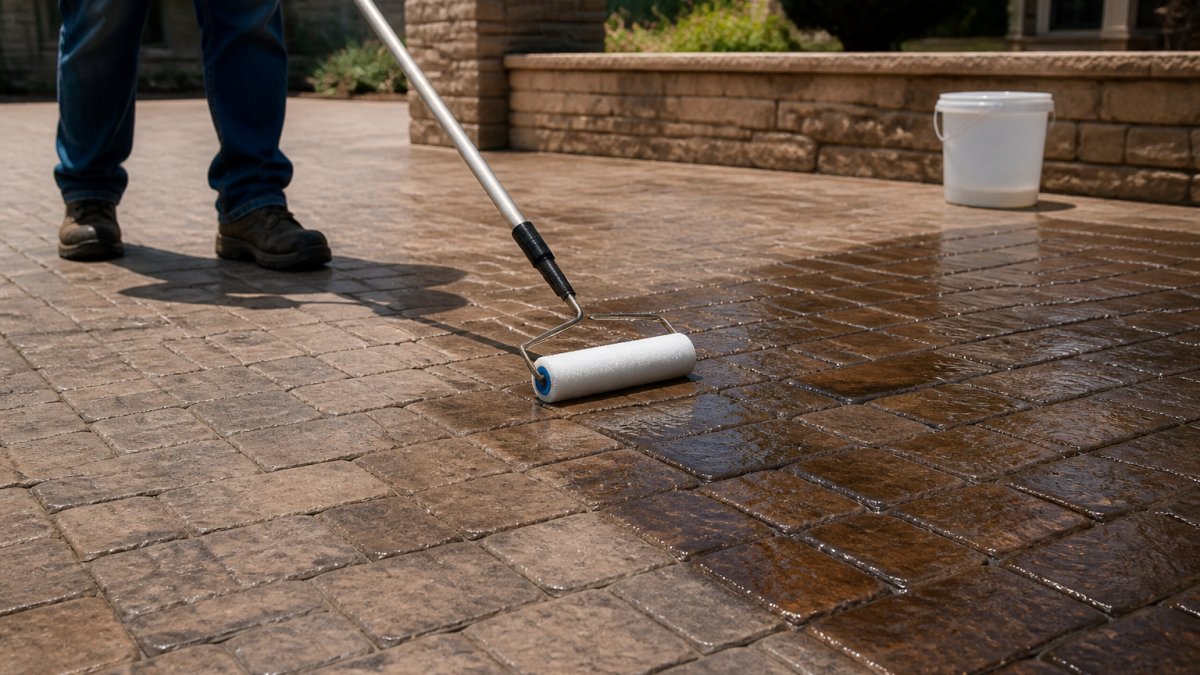
Film-forming sealer sits on top like a coat of clear finish. It gives a wet, glossy look, but it can scuff, cloud, or peel as it wears. Expect visible wear over time.
The choice matters. A film-forming product on a driveway takes a beating. A penetrating sealer on a shaded patio can quietly outlast it.
Signs Pavers Need Resealing
Watch the surface, not the calendar. These signals tell you it is time:
- Water soaks in within minutes instead of beading
- Colors look faded or chalky
- Joint sand washes out after storms
- The surface feels gritty or rough
- Film-forming sealer shows white patches or peeling
The water-drop test for deciding whether to reseal
This is the fastest check we know. Pour a small cup of water on a dry paver and watch.
- Beads up and rolls off: sealer is still working
- Sits for a while, then soaks: sealer is fading
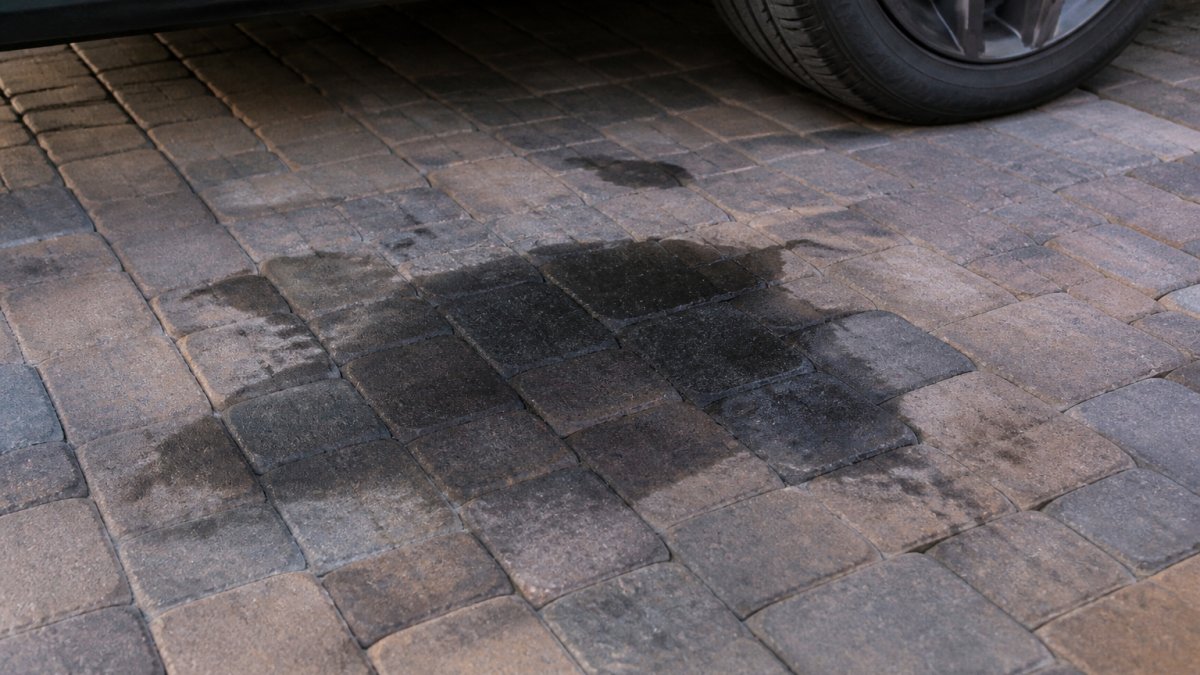
- Soaks in fast, darkens the stone: reseal soon
Run the test in three or four spots, including the worst-worn area. If most spots soak in, reseal. If only one does, spot-treat it. This one test saves more wasted sealer than any schedule.
What Changes Your Resealing Schedule: Climate, Material, and Wear
Three things move your timeline: sun, surface, and traffic. But the factor most guides gloss over is the pairing of paver material with sealer chemistry. A dense concrete paver under a penetrating silane-siloxane sealer behaves nothing like a porous clay brick under a film-forming acrylic. Use the matrix below to translate the general two-to-four-year range into a realistic starting interval for your surface, then confirm it with the water-drop test.
Resealing schedule by paver material and sealer type
| Paver material | Penetrating sealer (silane-siloxane) | Film-forming sealer (acrylic, polyurethane) |
|---|---|---|
| Concrete pavers (dense, low absorption) | 3-5 years; water beading is the best indicator | 2-3 years; watch for scuffing and loss of gloss on driveways |
| Clay brick pavers (porous, high absorption) | 2-4 years; porous brick draws sealer deeper and can need a second coat | 1-3 years; film bonds well but can cloud if the brick holds moisture |
| Natural stone (flagstone, travertine, bluestone) | 2-5 years depending on porosity; test an inconspicuous spot first | 1-3 years; film-forming products can trap moisture in porous stone and cause spalling |
| Permeable or open-joint pavers | 2-3 years; sealer must remain vapor-permeable | Generally not recommended; film can clog the joint profile |
These ranges are starting points, not warranties. A concrete paver patio in full sun with light foot traffic may sit at the top of its range; the same paver on a driveway with daily vehicle traffic drops to the bottom. Clay brick and natural stone are more variable because absorption rates differ from batch to batch, so always run the water-drop test before committing to a date.
How climate and wear adjust the matrix
Sun exposure and heat are the biggest accelerants. Intense UV breaks down the chemical bonds in both sealer families, and heat cycling opens and closes the pores in the paver, which stresses the bond. In a hot, sunny climate, expect to move one step down the range. Storms and freeze-thaw cycles test water repellency and can widen joints, which lets water reach the bedding sand.
Traffic is the other lever. A paver driveway or commercial walkway wears the surface faster than a quiet patio, and commercial properties should inspect yearly and reseal as the test indicates. For a deeper walkthrough of high-traffic jobs, see our commercial paver sealing guide.
| Factor | Faster Reseal | Slower Reseal |
|---|---|---|
| Sun | Full, all-day exposure | Shade most of the day |
| Material | Porous brick or stone | Dense concrete pavers |
| Traffic | Driveway, commercial | Patio, light foot traffic |
| Sealer | Film-forming, thin coat | Penetrating, silane-siloxane |
| Climate | Hot, sunny, freeze-thaw | Mild, stable, low humidity swings |
How to Clean Pavers Before Sealing
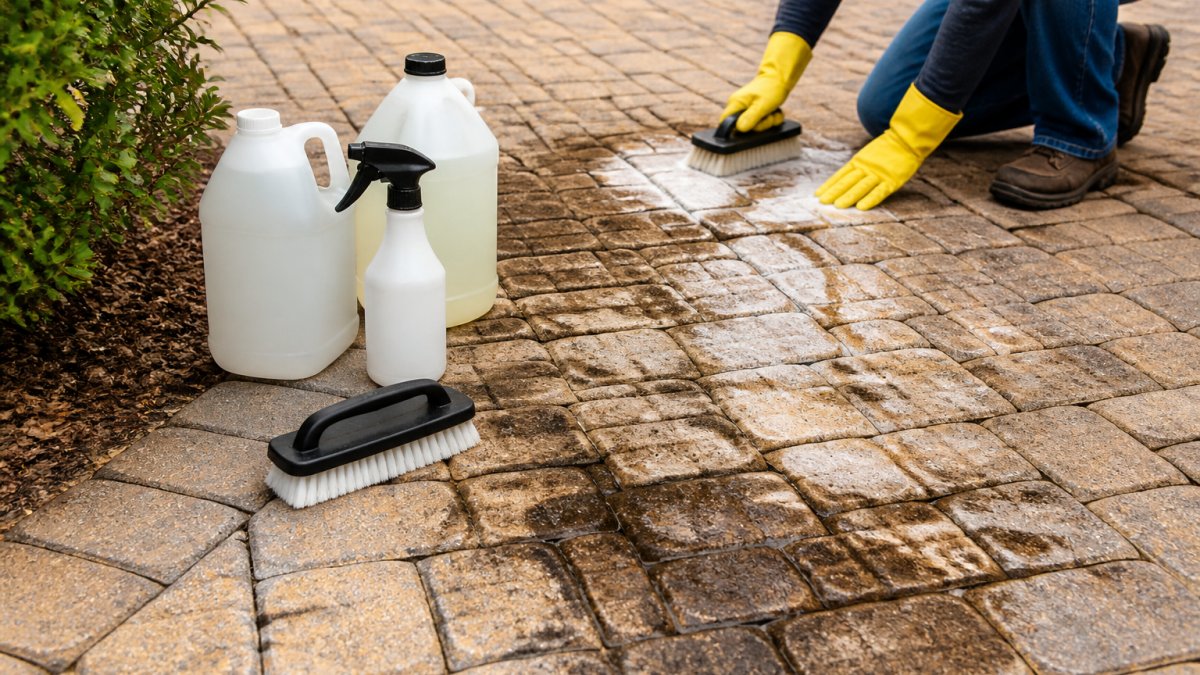
Clean pavers must be fully dry before any sealer goes down. Skipping this step can trap dirt and moisture, which can cause early failure. Here is a typical workflow:
- Clear the surface of furniture, leaves, and debris
- Sweep, then pull weeds from the joints
- Apply a paver-safe cleaner and scrub stains
- Rinse with a pressure washer on a moderate setting
- Let the surface dry 48 to 72 hours
- Check for moisture before sealing
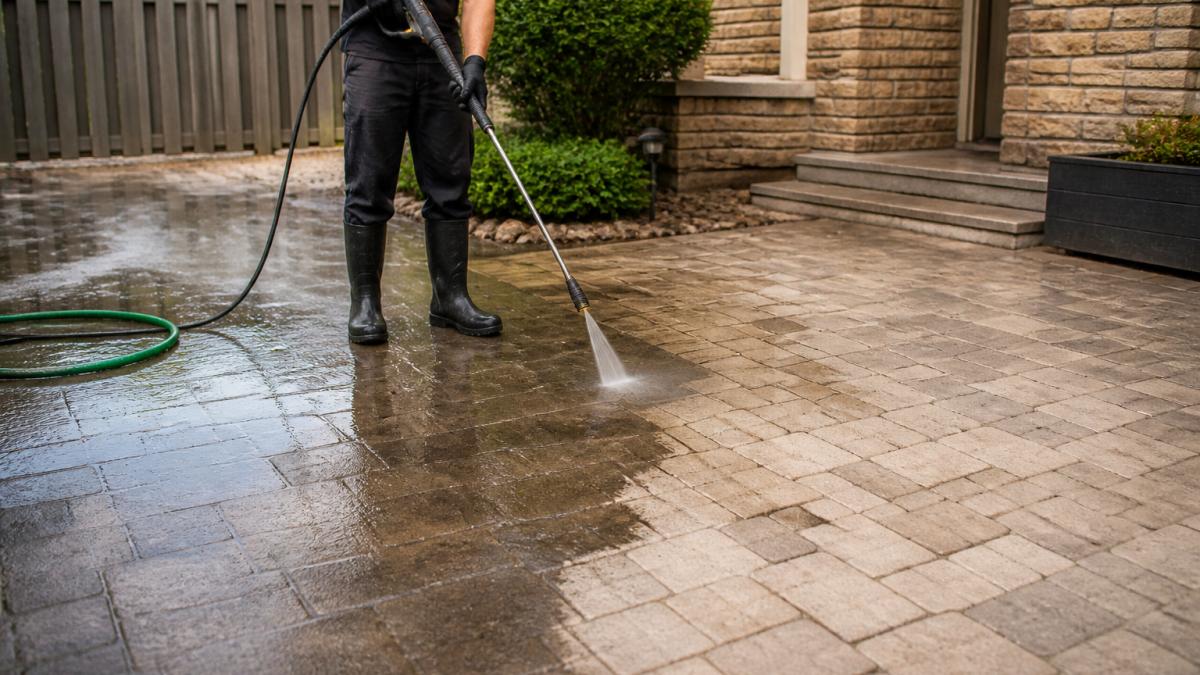
Sealing a damp surface can trap moisture and cause cloudy patches. Test with a dry paper towel pressed to the stone. If it comes up damp, wait another day. Not sure you want to tackle the prep yourself? Get a free quote and we will handle the cleaning and sealing.
How Long to Wait Before Sealing New Pavers
Wait until new pavers and their bedding sand have fully dried, and follow the installer's guidance on timing. New pavers release moisture for weeks, and sealing too soon can lock that moisture in. When in doubt, wait.
Troubleshooting Failed Sealer and Joint Sand Problems
Failed sealer often traces back to moisture, over-application, or a dirty surface at the time of application. The symptom tells you which one. Use this diagnostic table before you strip and redo anything, because some problems are cosmetic and some are structural.
Symptom, likely cause, and safe next step
| Symptom | Likely cause | Safe next step |
|---|---|---|
| White, cloudy patches (blushing) | Moisture trapped under the film, or sealer applied too thick in cool, humid conditions | Stop adding coats. Let the surface dry fully for several days; if the cloud persists, strip the affected area and reapply thin coats in dry, warm conditions. |
| Peeling or flaking film | Bond failure from a damp or dusty surface, or incompatible sealer over an old coat | Strip the loose film with a manufacturer-approved stripper, clean, dry fully, and reapply a compatible product. |
| Bubbles or pinholes | Solvent or moisture escaping through a film that skinned over too fast | Lightly abrade the bubbles after full cure; if widespread, strip and reapply in thinner coats. |
| Uneven sheen or lap marks | Overlapping wet edges, or uneven application rate | Often cosmetic on a film-forming sealer; if unacceptable, strip and reapply in one continuous direction. |
| Loss of water repellency (water soaks in) | Normal wear of a penetrating sealer, or a film that has worn through | Run the water-drop test in several spots; reseal when most spots soak in. |
| Gritty or rough surface | Dirt locked under the sealer, or joint sand migrating onto the surface during application | Clean and lightly abrade after cure; prevent by sweeping and stabilizing joints before sealing. |
Joint sand and polymeric sand maintenance
Sealing and joint sand interact in ways that catch homeowners off guard. Sealer can lock sand in place, which is good, but it can also lock debris and moisture in if the joints are not clean and dry first.
Before any reseal, inspect the joints. Refill low joints with the same sand type the installer used, and let polymeric sand cure per the manufacturer's instructions before sealing over it. Sealing over wet polymeric sand or over joints packed with organic debris can trap moisture. If joints are consistently washing out, drainage or runoff may be the cause.
For stubborn stains that survive cleaning, our guide on removing paver stains covers proven methods before you commit to a reseal.
Do You Actually Need to Seal Outdoor Pavers?
No, sealing outdoor pavers is optional. Plenty of patios do fine unsealed. Sealing can help with stain protection, color retention, and weed control in the joints, but it is a tradeoff. It adds maintenance, and a bad application causes more problems than it solves.
Pros of sealing: stain resistance, richer color, easier cleaning, fewer weeds.
Cons of sealing: recurring cost, reapplication every few years, risk of trapped moisture.
If you want the full case, our breakdown of paver sealing benefits lays it out. The honest answer: seal if you want protection and easier upkeep, skip it if you accept more cleaning.
Frequently Asked Questions
How often should outdoor pavers be sealed?
It depends on your climate, the paver material, and the sealer you use. Lifespan depends on climate and sealer type. Intense sun and heat generally shorten sealer life, and film-forming sealers tend to wear faster than penetrating sealers. Check your pavers with a water-drop test each spring rather than relying on a fixed calendar.
How can you tell when pavers need to be resealed?
Look for these signs pavers need resealing: water soaks in instead of beading, colors look faded or chalky, the surface feels gritty, joint sand washes out, and stains are harder to rinse off. A simple test is to drip water on the surface. If it beads and rolls off, the sealer is still working. If it darkens the paver and sinks in within a minute, it is time to reseal.
Should pavers be cleaned before resealing?
Yes. Sealing over dirt, mildew, or old flaking sealer traps the grime and stops the new coat from bonding. How to clean pavers before sealing: sweep off debris, pull weeds from joints, apply a paver-safe cleaner, rinse with a pressure washer, and let the surface dry completely for 24 to 48 hours. Skipping this step can cause a reseal to fail early.
How long should you wait to seal new pavers?
Wait until new pavers are fully dry, and longer if the installer recommends it. New pavers release moisture and efflorescence, and sealing too soon traps that moisture under the surface. Confirm the pavers are fully dry and the joint sand has settled before you apply the first coat.
So how often should you seal outdoor pavers on your property? Test the surface, watch the water, and reseal when it stops beading, not on a fixed date. If you would rather hand it off, Task Genie handles the whole job: professional-grade equipment, premium sealers, and a 100% satisfaction guarantee. We are locally owned, with 500+ jobs completed and a 5-star average rating. Get started with Task Genie and protect your pavers for years to come.